Renal cell carcinoma (RCC) is one of the most common malignant tumors of the urinary system, while renal tumors are frequently observed in patients with tuberous sclerosis complex (TSC), a hereditary tumor syndrome, representing an important manifestation of the disease. TSC is caused by mutations in the TSC1 or TSC2 genes, leading to abnormal activation of the cell growth regulatory pathway mTORC1 and promoting renal tumor development. Currently, there are no ideal disease models for TSC-associated renal tumors, and therapeutic options remain limited. Therefore, further investigation into the underlying mechanisms and identification of novel therapeutic targets are urgently needed.
On July 20, 2026, the research group led by Dr. Heng-Jia Liu at the Zhejiang University-University of Edinburgh Institute (ZJE), in collaboration with Professor Elizabeth Henske’s team at Harvard Medical School, published an important study entitled “mTORC1 activation induces B7-H3-dependent metabolic reprogramming in renal cell carcinoma (RCC)” in Oncogene, a renowned journal in the field of cancer research. In this study, the researchers established a conditional Tsc2 knockout mouse model that recapitulates the development of TSC-associated renal tumors. They found that the resulting tumor lesions closely resembled human chromophobe renal cell carcinoma (ChRCC), a subtype of RCC originating from renal tubular epithelial cells. Furthermore, they identified the immune checkpoint molecule B7-H3 (CD276) as a critical regulator promoting tumor development. Genetic deletion of B7-H3 significantly reduced renal cyst formation and tumor development in mice.
This study not only establishes the first genetic animal model for TSC-associated ChRCC-like renal tumors but also reveals a critical role of B7-H3 in tumorigenesis. These findings provide new insights into the mechanisms underlying TSC/mTORC1-driven renal tumor development and offer potential targets for the development of precision therapeutic strategies.
https://www.nature.com/articles/s41388-026-03891-w
The team generated a conditional mouse model by disrupting the Tsc2 gene at embryonic day 17.5. These mice develop a spectrum of kidney lesions, including cysts, papillary cystadenomas, and chromophobe-like RCC. These lesions are characterized byhyperactivated mTORC1. Additionally, the team performed immunostaining on TSC2 KO mouse kidney tumors and human ChRCC samples using antibodies against FOXI1, HEPACAM2, and MUC20. Consistent with scRNA-seq data, these markers were robustly expressed in kidney tumors of TSC2 KO mice, supporting a molecular resemblance to human ChRCC.
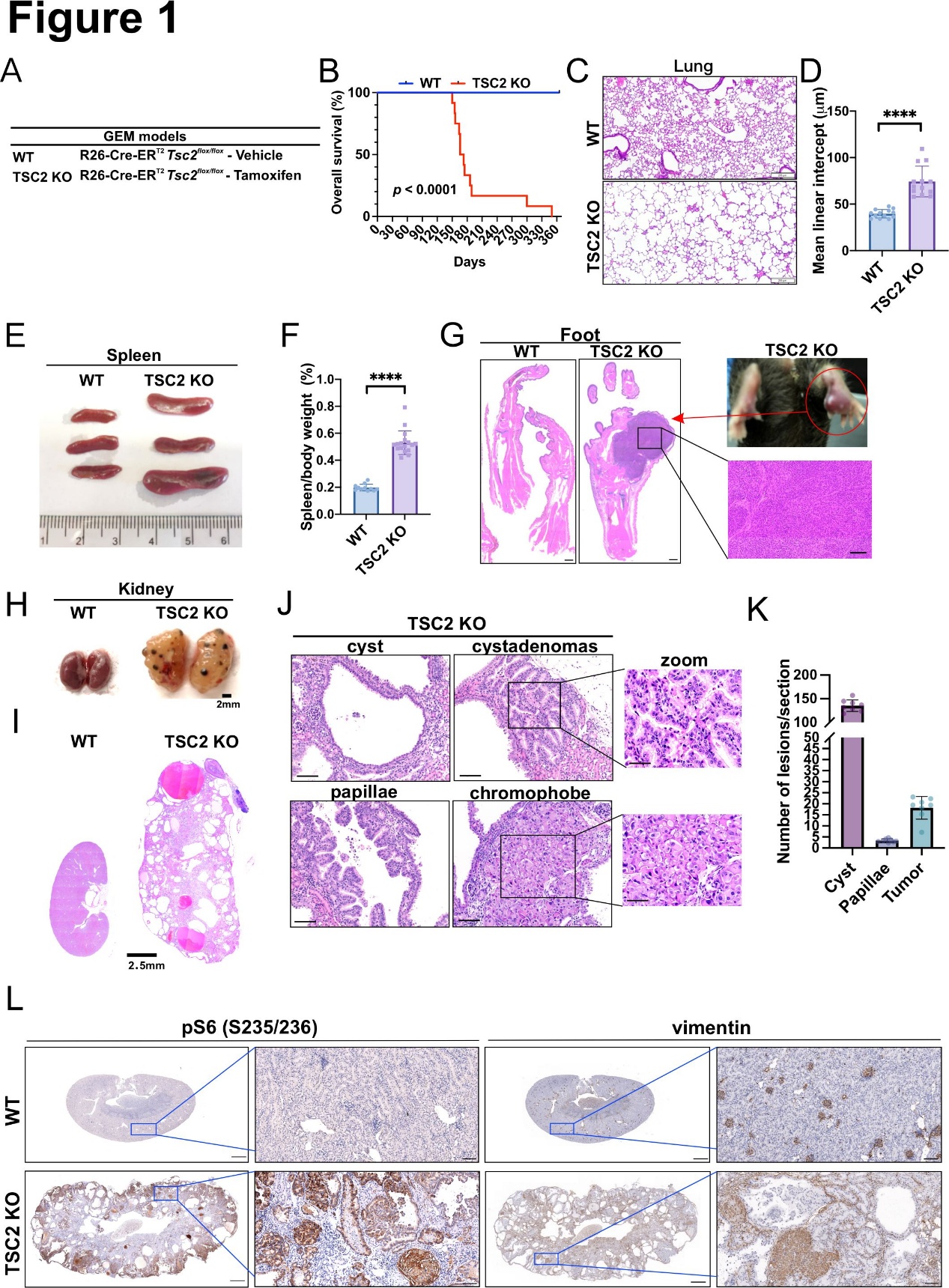
Figure 1. Conditional embryonic TSC2 knockout leads to multisystem abnormalities, including kidney cysts and solid tumors
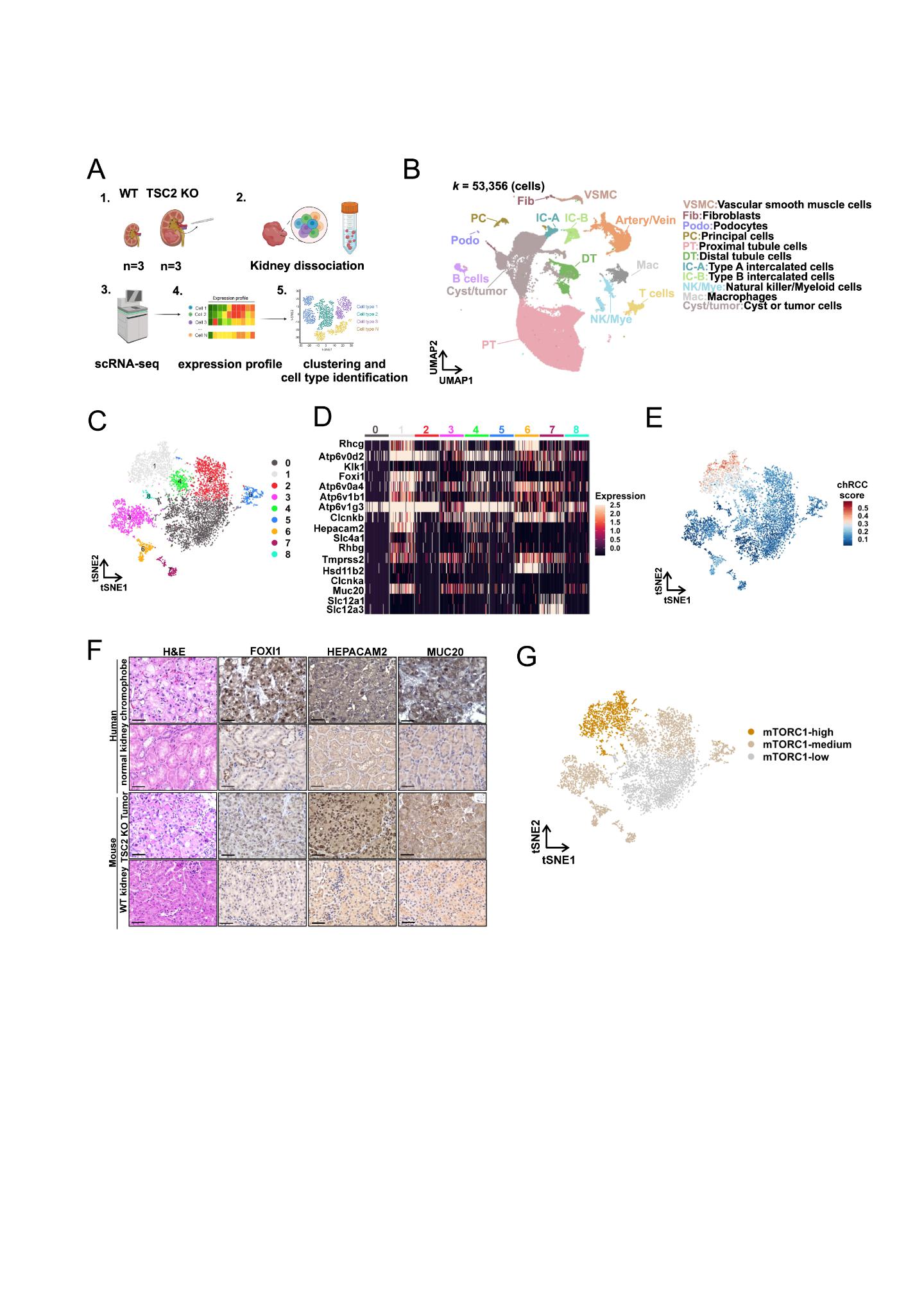
Figure 2. Kidney tumors develop in TSC2 mice are similar to human ChRCC.
CD276, also known as B7-H3, is a type I transmembrane protein and member of the B7 family. B7-H3 is overexpressed across a broad spectrum of malignancies and its expression is often associated with poor clinical outcomes, positioning it as an attractive target for cancer immunotherapy. In the Tsc2 deficient renal tumor model, the team observed a striking upregulation of B7 H3. By generating Tsc2 and B7 H3 double knockout mice, they found that B7 H3 loss significantly delayed renal tumor formation and ameliorated renal function. Integrated metabolomic and proteomic analyses revealed that B7 H3 ablation alleviated the aberrant upregulation of multiple amino acids and aminoacyl tRNA synthetases driven by Tsc2 deficiency. Mechanistically, the transcription factor NRF1 directly binds the B7 H3 promoter and drives its transcription, while B7 H3 reciprocally promotes NRF1 protein expression, forming a positive feedback regulatory loop. This loop coordinately upregulates proteasome subunits (PSMD14 and PSMA3) and further augments mTORC1 activity.
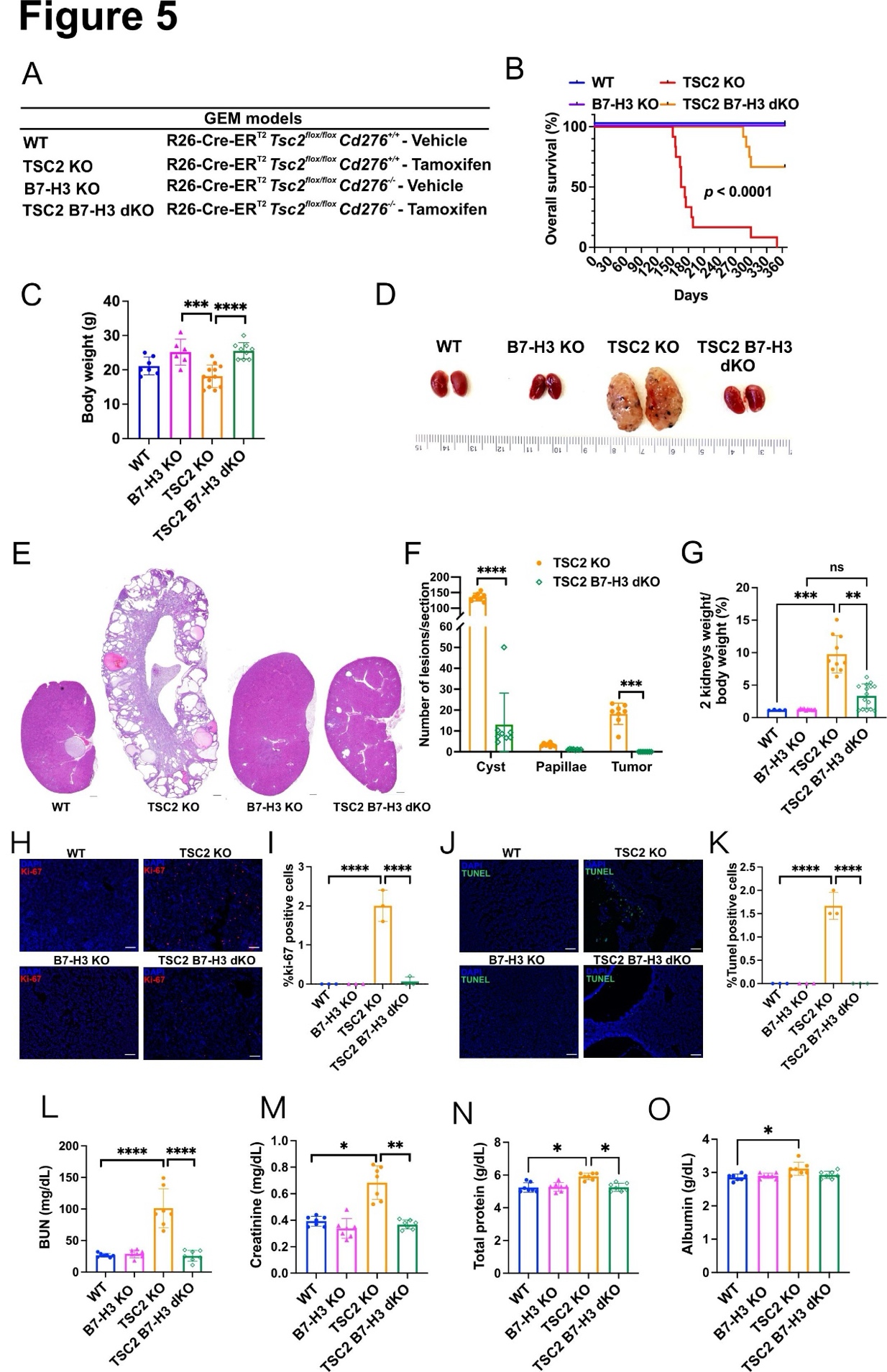
Fig. 3: B7-H3 deletion suppresses cyst and tumor formation in TSC2 KO mice.
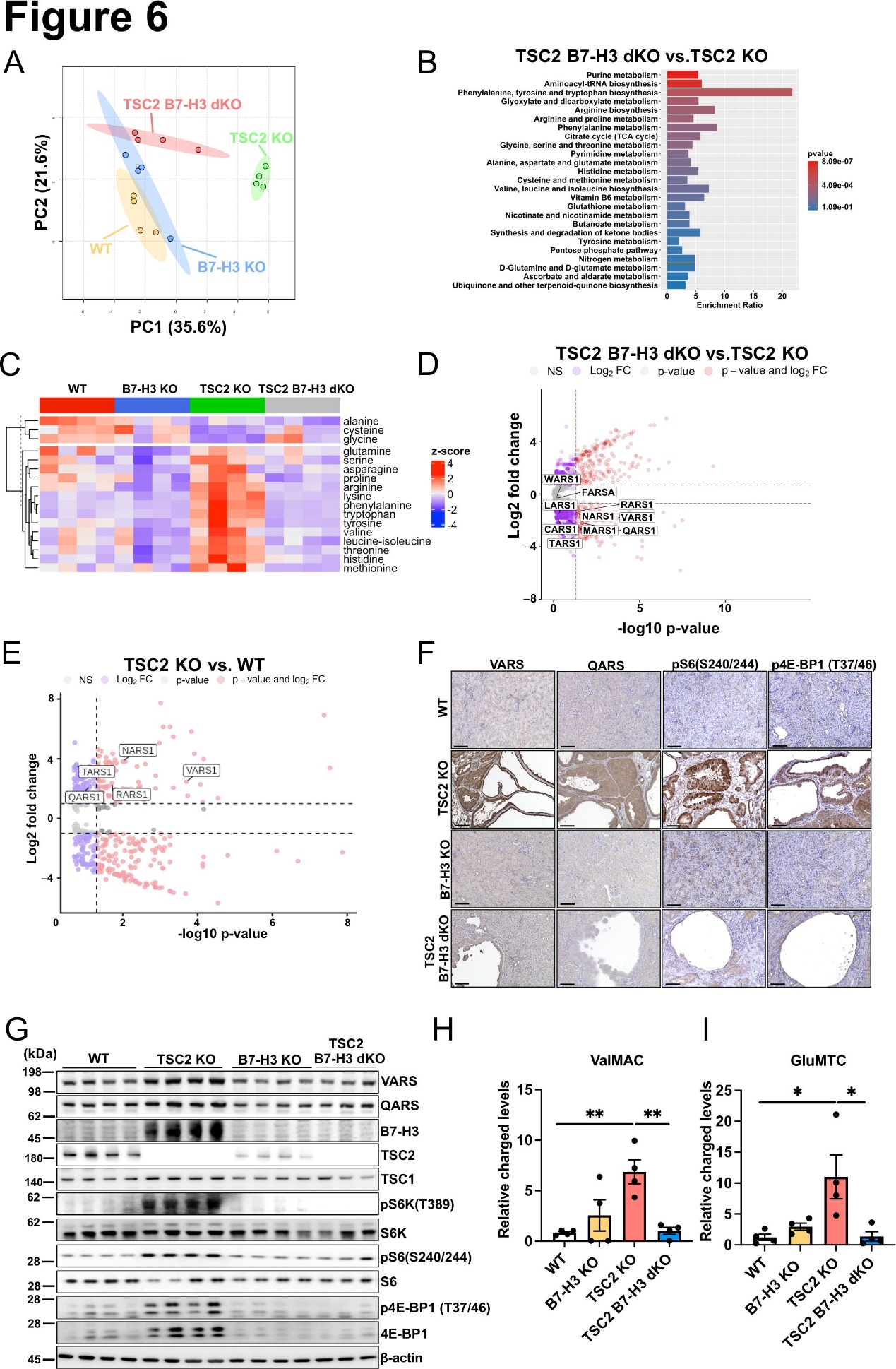
Figure 4. B7-H3 deficiency attenuates the TSC2 loss-induced upregulation of amino acid and aminoacyl-tRNA biosynthesis
In conclusion, this study developed a novel mouse model of TSC-associated ChRCC via conditional Tsc2 deletion. Single-cell transcriptomics identified a distinct intercalated cell–derived tumor population with hyperactive mTORC1 signaling. Importantly, B7-H3 ablation suppresses TSC2-deficient tumorigenesis by disrupting amino acid metabolism and aminoacyl-tRNA biosynthesis, highlighting B7-H3 as a potential therapeutic target and providing a mechanistic basis for precision interventions in TSC-associated renal tumors.
ZJE PhD student Keying Li is the first author of this study, and Dr. Heng Du, Researcher at West China Hospital of Sichuan University, is a co-first author. ZJE undergraduate student Yifan Wang contributed as a co-author and made important contributions to this work. Dr. Heng-Jia Liu, Researcher at ZJE, serves as the senior corresponding author, and Professor Elizabeth Henske from Harvard Medical School serves as a co-corresponding author. This work was supported by the National Natural Science Foundation of China (NSFC) Young Scientists Fund (Category C).
The Liu’s laboratory has long focused on rare tumors associated with hyperactivation of the mTORC1 signaling pathway, including tuberous sclerosis complex (TSC) and lymphangioleiomyomatosis (LAM), with a particular emphasis on understanding impaired immune responses and developing targeted therapeutic strategies. By integrating single-cell and spatial proteomics, transcriptomics approaches, and preclinical disease models, the team has systematically revealed immunosuppressive mechanisms within the tumor microenvironment. To date, the team has published 24 research articles as first or senior corresponding authors (including co-first and co-corresponding authors) in journals including European Respiratory Journal, Nature Communications, Chest, PNAS, and Oncogene.
Dr. Heng-Jia Liu has received funding from the National Natural Science Foundation of China Excellent Young Scientists Fund (Overseas) and the NSFC Young Scientists Fund (Category C), as well as the Zhejiang Provincial Natural Science Foundation Youth Program. She was selected for the Zhejiang Provincial Young Talent Program and serves as an Honorary Lecturer at the University of Edinburgh, Academic Associate Editor of PLOS Genetics, and an International Editorial Board Member of the Journal of Zhejiang University Medical Sciences.